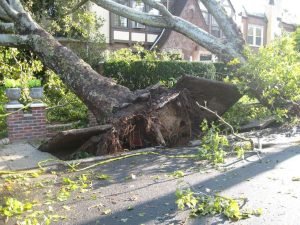
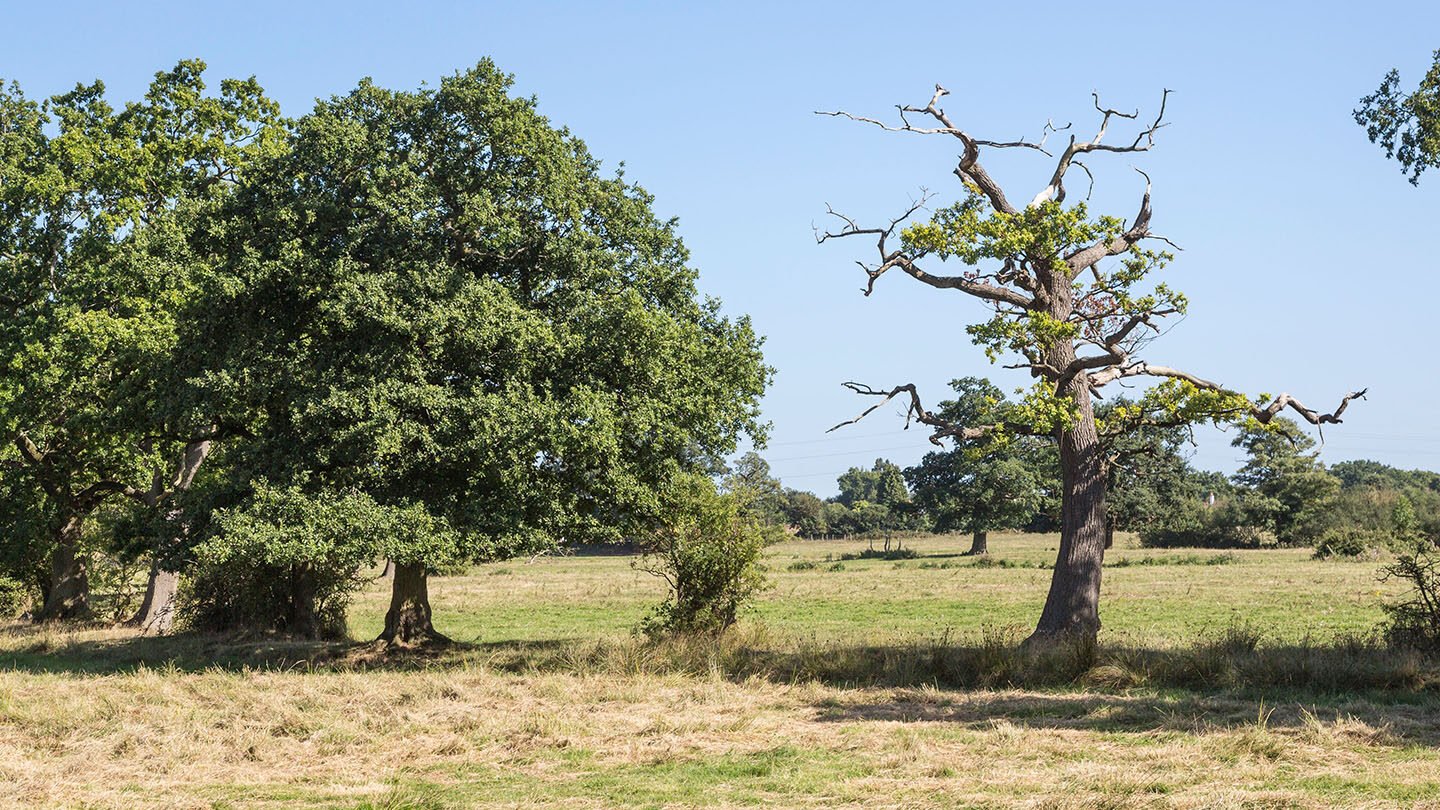
In the Midwest, over the past several years, there has been an observable decline in the health of some of our old-growth oak trees. This phenomenon is commonly called oak decline. It may be hard to believe that a mature old-growth tree can begin to decline in health seemingly out of nowhere. If this tree has been growing for hundreds of years with no issue, why is it now showing problems? Researchers have been studying this phenomenon to determine what the culprit for this decline may be, and learning how to mitigate the threat to our mature heritage oak trees. In this article, we want to report on some of the newest research and literature pointing toward some potential reasons why this decline may be occurring.
It’s important to understand that oak decline isn’t due to one singular pest or pathogen. Rather, this slow decline in tree health is caused by a complex of different stressors. Each component contributes to diminishing the health of the tree and exacerbating decline. As these stressors accumulate the tree becomes more susceptible to other health problems. The compounding effect builds over the years and eventually may cause the death of the tree.
Most of these diseases are caused by native pathogens and insects. These insects and pathogens have co-evolved for eons alongside our native oaks and are typically considered secondary pests. This means these pathogens will usually target trees already stressed in our environment. This isn’t a case similar to emerald ash borer where an exotic species enters a new environment and can predate on a population of unprepared hosts. However, as environmental stresses compound the affected tree becomes a target for these otherwise free-living insects and pathogens. Researchers are constantly working to figure out what main factors may be creating a disposition to stress and disease infestation in the first place – creating that favorable environment for the secondary issues to begin compounding.
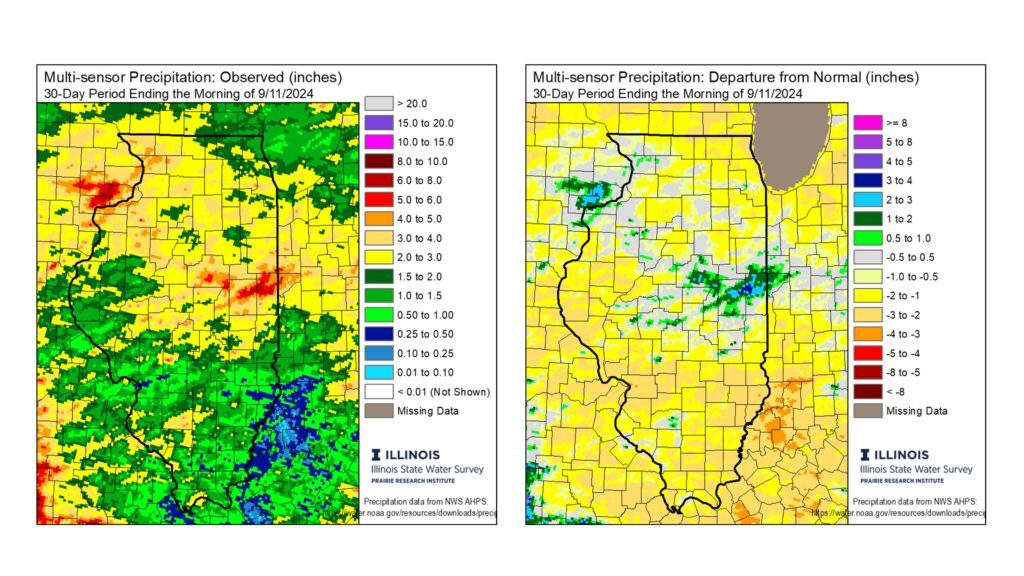
Recent studies have focused on changing weather and environmental patterns. As our climate shifts over periods of years and decades, the weather patterns of heat, drought, and precipitation are also altered. In Illinois, we’ve had several consecutive years of very wet springs followed by late summer drought conditions. Following these weather patterns, we can recognize the oak decline symptoms coinciding with these irregular periods.
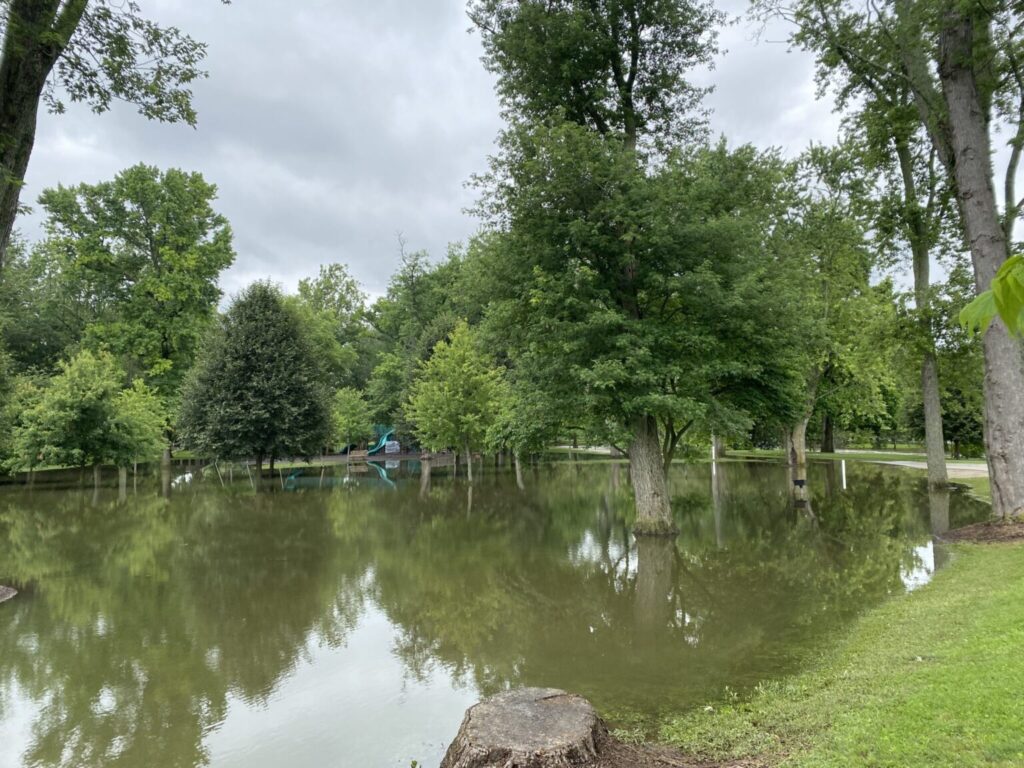
Researchers have noted specifically the role of hydrology (water accumulation and movement in our soils) as a significant factor in oak decline symptom outbreaks. Oaks are one of the last trees to leaf out in our landscape, often developing leaves into June. The slow development of leaf tissues means the tree will have limited ability to transpire moisture to the air, and more moisture will remain in the soil for longer periods. This prolonged period of waterlogged soil also means soil-borne pathogens have a heightened opportunity to proliferate and infect potential tree hosts. More specifically, the Phytophthora species of pathogens are suspected to play a key role in this decline.
In a recent study of declining oaks, it was noted that between 2018 and 2020 the Midwest experienced the highest average spring rainfall within the past 70 years. Research began in 2021 to investigate the cause of decline symptoms in mature oak trees of the region, and almost 90 percent of the trees sampled were infected with Phytophthora. It’s important to note that these trees sampled in the study were all in locations where the water table was very shallow – meaning they were in low spots where water would pool after a rain event and remain for a prolonged period. The texture and composition of the surrounding native soil may also play a key role in oak decline, but requires further study before conclusions may be considered.
As the roots are immersed in water during the spring, the tree becomes starved of oxygen. Pore spaces within the soil become filled with water and prevent gas exchange underground. This effect compounds existing stresses and pushes the tree further into a mortality spiral. Some portion of the root mass underground may die off due to the waterlogged spring conditions. This is why we commonly see dieback starting from the top of the tree canopy – the tree loses root mass and is unable to absorb and move water from the soil into the ends of branches where it’s most difficult to reach.
If that wasn’t bad enough, our late summer drought periods take an already stressed root system and starve it of moisture. This summer growing season is critically important to tree health and the production of carbohydrates peaks during the summer season. This is when the tree needs to produce enough energy stores for the next season’s growth. If the tree is limited by water stress and cannot produce enough energy for the next season’s growth, then it may not fully leaf out and other symptoms may spiral further out of control.
So how can we help alleviate this complex of pathogens and symptoms?
First, test your soil for drainage and texture. If it’s a very fine textured soil (high in clay), it may drain very slowly after being saturated with water. Correcting drainage issues may not be practical in some cases, but when possible adding drainage tile or amending soil may help minimize pooling water.
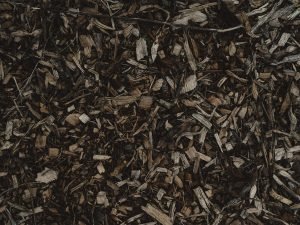
Phytophthora is a suspected primary causal component of oak decline. This pathogen is actually an oomycete, which is a fancy term to say it’s very similar to fungus with some key differences. Importantly, an oomycete has cell walls built from cellulose – the same fibrous material which makes up wood and tree tissues. Applying a proper layer of mulch will encourage the growth of cellulose-feeding microbes, and these microbes may also attack and break down the cells of the Phytophthora root rot oomycete. As if we needed another amazing benefit of mulching around our landscape trees! Read up on applying a proper mulch layer for your trees here: https://mortonarb.org/plant-and-protect/tree-plant-care/plant-care-resources/mulching-trees-and-shrubs/
We also have another blog article on Phytophthora root rot here: https://homertree.com/blog/disease-spotlight-phytophthora-root-rot/
Applying supplemental watering during hot dry summer conditions will help mitigate some water stress and help the tree produce more carbohydrates. Properly watering the tree during the active growing season should not contribute to the development of phytophthora. We have an article about how to water your trees here: https://homertree.com/blog/how-and-when-to-water-your-trees/
A soil-applied fungicide during very wet spring conditions can help minimize the presence of phytophthora and slow its development and proliferation. This would need to be applied by a licensed pesticide applicator, ideally a certified arborist. Not any fungicide will be effective – one specific to phytophthora and other soil-borne oomycetes needs to be applied to have a benefit. This should be administered during the wet periods in spring usually at least once per month during March, April, and May.
If you’re having trouble with a mature oak on your property and need help with diagnosis and a plan of care, our certified arborists at Homer Tree Care are ready to help. Our team has combined decades in the tree care industry, and our service estimates are free of charge.