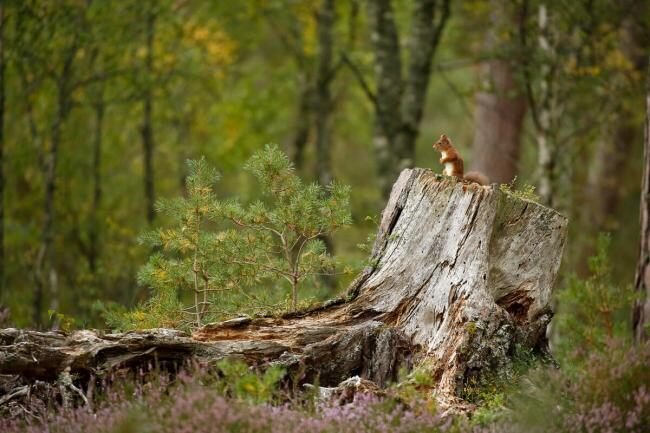
As the fall season brings cooler temperatures and shorter days, woodland habitats play an essential role in supporting a wide range of wildlife. Both living and dead trees provide valuable resources, from food and shelter to places for nesting and hibernation. Whether it’s through shelter, sustenance, or spaces for reproduction, trees and their surroundings are at the heart of autumn’s ecological landscape.
Living Trees as Shelters and Food Sources
Trees, especially mature ones, are critical for providing food and shelter to many animals. Trees can produce fruits, seeds, nuts, and flowers, all of which serve as essential sources of nourishment for wildlife. Birds enjoy feasting on berries, while mammals like squirrels and raccoons thrive on acorns, pine nuts, and other forest offerings. The ample food supply trees offer in fall helps animals build up energy reserves for the winter.

Trees are also sheltering giants, acting as natural sanctuaries that protect animals from predators and extreme weather. Many species, from small mammals to birds, rely on the cover of branches and leaves to evade predators. In times of harsh weather, animals such as squirrels, raccoons, and owls take refuge in the branches or hollow spaces of trees to shield themselves from rain, wind, and early winter chills. This dual role as both a food and shelter source is essential for animal survival in forested areas.

Deadwood and Decaying Logs as Hidden Habitats
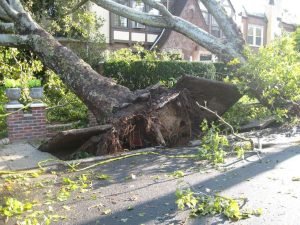
Dead trees, often called snags, are far from “lifeless” in woodland habitats. These standing dead or decaying trees are crucial for various wildlife needs, from roosting and nesting to foraging. For instance, birds such as woodpeckers and owls often make their nests in hollowed or decayed parts of snags. Small mammals like bats use these spaces to shelter, hibernate, or store food.
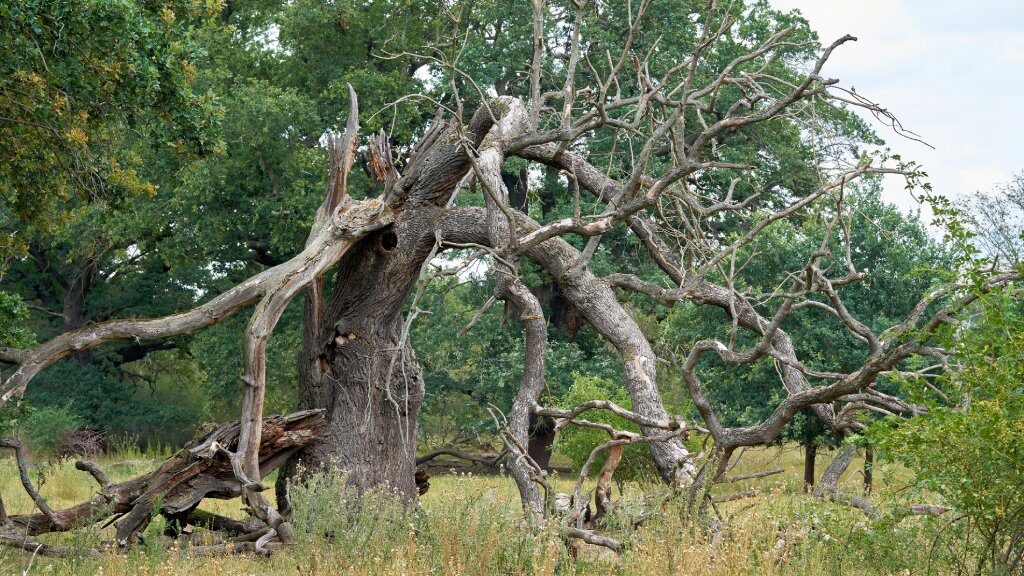
Additionally, snags that fall to the ground contribute significantly to the forest ecosystem as decaying logs. They retain moisture, encourage fungal growth, and serve as habitats for decomposers like beetles and other insects. These insects, in turn, attract birds and small mammals that rely on them as a food source. The breakdown of deadwood enriches the forest floor with nutrients, creating fertile soil that supports new plant growth.
Leaf Litter: An Overlooked Ecosystem for Insects
Fallen leaves may seem like mere clutter, but leaf litter is vital for insects and soil organisms that play essential roles in the ecosystem. Leaf litter creates a layer of insulation on the forest floor, which provides a safe, temperature-regulated environment for various beneficial insects. Beetles, spiders, and other small creatures use leaf litter as a shelter to overwinter and as a food source throughout the season.

The presence of leaf litter is also crucial for indirectly supporting larger wildlife. Birds and small mammals forage in this layer for insects, creating a cycle of sustenance and shelter. Additionally, the nutrients released from decaying leaves enrich the soil, fostering a rich habitat that supports the growth of young trees and shrubs. For more on how this ground layer benefits ecosystems, see our article “Why Leaf Litter Matters.”
Habitat for Reproduction and New Generations
Trees are not only food and shelter providers but are also essential spaces for wildlife reproduction. Birds, squirrels, and other animals rely on trees to build nests and safely raise their young. High in the branches or within hollowed cavities, tree-based nests protect young animals from predators and the elements, allowing them to mature until they are ready to venture out on their own.
As part of this cycle, animals often assist trees in return. Squirrels bury seeds, which may eventually grow into new trees if left undisturbed. Birds and insects pollinate flowers, ensuring the continuation of plant life and supporting biodiversity. This mutual relationship strengthens woodland ecosystems and promotes a thriving habitat for future generations.
Conclusion: The Vital Role of Woodland Habitats in Fall
As we enjoy the rich colors and crisp air of autumn, it’s important to recognize how essential trees and woodland habitats are to supporting wildlife. From providing food and shelter to creating spaces for reproduction, trees are the foundation of a thriving ecosystem throughout every season. Whether standing tall, fallen to the forest floor, or spread as leaf litter, trees sustain countless species through their varied life stages. To help preserve and maintain these valuable habitats, contact Homer Tree Care for all your tree care needs. Our experts can assist with everything from tree preservation and health care to responsible removal and habitat enhancement, ensuring that local wildlife continues to flourish.